Men's Sexual Health After 40: Essential Insights for Vitality
Understanding Male Sexual Health Changes After 40
Look, turning 40 can feel like a wake-up call regarding your sexual health. Many men notice changes in their bodies that can be surprising, and sometimes even a bit concerning. It's not just about getting older; it's about hormonal shifts that can impact your libido and overall vitality.
As men age, testosterone levels tend to decline, which can lead to a decrease in sexual desire. Studies show that testosterone levels can drop by about 1% each year after 30. So, by the time you reach 40, you may feel a shift in your sexual function and energy levels.
Research suggests that this decline isn't just a natural part of aging. According to a study on testosterone levels in aging men, men can experience a range of physical and emotional changes tied to lower testosterone, including fatigue and mood changes. These shifts can impact your relationships and self-esteem.
If you live in California or New York, you might find a wealth of resources that can help you understand these changes better. Opening up about these issues with friends or healthcare professionals can make a significant difference. Building a support system is key.
Understanding these changes is the first step towards navigating this new phase of life. You’re not alone in this journey, and being informed can empower you to take action.
The Role of Testosterone in Male Vitality After 40
Here's the thing: testosterone plays a pivotal role in male vitality, especially after 40. It’s more than just a hormone; it affects everything from your mood to your energy levels. So, if you’ve been feeling off, it could be linked directly to testosterone levels.
Testosterone impacts libido significantly. Studies indicate that lower testosterone can lead to decreased sexual desire, fatigue, and even depression. Simply put, if you're not feeling like your old self, it could be a result of lower hormone levels that come with age.
A PubMed study on age-related testosterone decline confirms this link. It highlights how men often face changes to their mood and energy, which can be both frustrating and puzzling. The good news? These changes are common.
If you live in Texas or Ohio, you might consider talking to a specialist about your testosterone levels. Many clinics offer hormonal evaluations that can provide insights and potential solutions. It’s about finding the support you need.
Common Sexual Health Issues in Men Over 40
But let’s get real—sexual health issues are pretty common for men over 40. It’s not something to shy away from or feel embarrassed about. If you’ve noticed changes in your sexual performance or desire, you’re definitely not alone.
Erectile dysfunction (ED) and decreased libido are among the most prevalent issues. Research shows that about 40% of men experience some form of ED by age 40. That’s a significant number, right? These changes can impact your confidence and relationships.
A PubMed study on erectile dysfunction prevalence indicates that various factors contribute to these conditions, including lifestyle and psychological factors. So, while genetics play a role, it’s also about your choices and mindset.
Living in Washington or Florida? You might have access to resources that can offer support, like counseling or lifestyle coaching. It’s crucial to address these concerns head-on, be it through exercise, diet, or mental health support.
Facing these challenges isn't the end of the world—we’ve all got our battles. With the right strategies, you can navigate this chapter of life and maintain a fulfilling sexual health journey.
Lifestyle Changes to Support Male Vitality After 40
So, what can you do to support your vitality after 40? The answer lies in making some smart lifestyle changes. These adjustments can not only enhance your sexual health but also improve your overall well-being.
Diet and exercise are two key areas where you can make a significant impact. Research indicates that a balanced diet rich in fruits, vegetables, lean proteins, and healthy fats may support sexual health and hormone levels. Regular physical activity is also crucial—it helps maintain a healthy weight and boosts mood.
A PubMed study on lifestyle interventions for better sexual health highlights how simple changes, like walking or strength training, can lead to improvements in erectile function. Even small changes can make a big difference over time.
If you're in Illinois or Ohio, consider joining a local gym or health group. Finding a community can give you the motivation you need to stick to a healthier lifestyle. Plus, it’s more fun to work out with others.
Incorporating these lifestyle changes isn’t just about feeling good physically; it’s about feeling good mentally and emotionally too. Take charge of your health, and you might be surprised by the benefits.
The Importance of Mental Health for Sexual Health in Men
And let’s not forget about mental health—it’s a crucial piece of the puzzle for sexual health in men over 40. Stress, anxiety, and depression can all affect your desire and performance. If you're feeling down, it can be tough to feel connected in the bedroom.
Research suggests that mental well-being is directly linked to sexual function. When you’re stressed or anxious, your body’s ability to perform can suffer. This isn't just about the physical—your mind plays a huge role.
A PubMed study on mental health's effect on sexual function shows that addressing mental health concerns can lead to significant improvements in sexual performance. So, it’s worth considering whether your mindset might be affecting your sexual health.
If you’re in California or Florida, look for mental health resources that cater to men. Talk therapy, support groups, or even mindfulness practices can help. You're not weak for seeking support; it’s a sign of strength.
Nutrition's Impact on Male Vitality After 40
Look, your diet has a bigger impact on your vitality than you might think. Nutrition plays a key role in supporting sexual health, and as you age, it’s crucial to pay attention to what’s on your plate. The right foods can make a real difference.
Research indicates that certain nutrients are particularly beneficial for men over 40. Vitamins like B12, D, and minerals like zinc are vital for hormone production and overall sexual health. So, if you're not getting enough of these nutrients, it could be affecting your vitality.
A PubMed study on nutrition and sexual function found that diets high in fruits, vegetables, and omega-3 fatty acids may support better sexual function. It’s about fueling your body with good stuff!
If you live in New York or Texas, local markets often have fresh produce that can make healthy eating easier and more enjoyable. Try experimenting with new recipes that incorporate these vital nutrients.
Making smart dietary choices can lead to significant changes in your vitality. It’s never too late to start, and every little bit counts.
Understanding the Role of VapoFil in Male Vitality
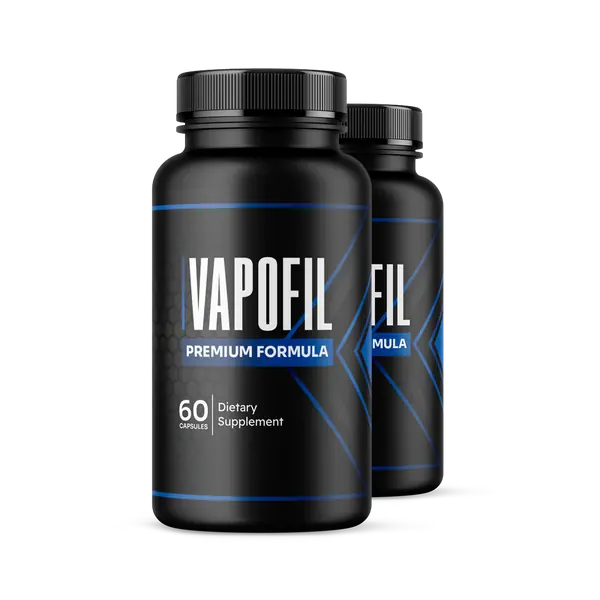
So, what about VapoFil? This product may support male vitality by providing a blend of ingredients designed to boost energy and improve sexual function. It’s worth considering if you’ve been feeling a little off.
The ingredients in VapoFil could potentially aid in enhancing testosterone levels and overall vitality. While it’s not a miracle solution, it might be a helpful addition to a healthy lifestyle, especially if combined with good nutrition and exercise.
Research indicates that certain natural substances can have positive effects on sexual health, and VapoFil aims to tap into that potential. It’s about finding the right balance in your approach to male vitality.
If you’re in Florida or Washington, check local health stores or online platforms for more information about VapoFil. It could be a good starting point for those looking to support their sexual health.
Incorporating a supplement like VapoFil into your routine may provide that extra boost you need. Just remember, it should complement a healthy lifestyle, not replace it.
Partner Communication About Sexual Health After 40
But here’s something that often gets overlooked: communication with your partner about sexual health is vital. It can be awkward, but it’s necessary for a healthy relationship. You both deserve to feel comfortable discussing any changes or concerns.
Talking openly can create a supportive environment where both partners feel valued. It's not just about sharing problems; it’s also about discussing desires and what feels good. This kind of dialogue can strengthen your connection.
Research suggests that effective communication can lead to better sexual satisfaction for both partners. Establishing a safe space where you can share thoughts candidly can truly enhance your intimate life.
If you’re in Illinois or Ohio, consider setting aside time for these conversations without distractions. A casual dinner or a walk can provide the right atmosphere for openness.
Building this communication habit can lead to a deeper understanding between you and your partner. Remember, you're a team, and tackling these issues together can make a world of difference.
When to Seek Professional Help for Sexual Health Issues
So, when should you seek professional help regarding sexual health? It can be hard to know the right time, but there are some clear signs to watch for. If you’re experiencing persistent erectile dysfunction or a sudden decrease in libido, it might be time to talk to someone.
Ignoring these issues can lead to bigger problems down the line, including relationship strain or mental health struggles. Recognizing that you need help is a big step. There’s no shame in seeking advice from a healthcare professional.
A PubMed study on timely interventions for sexual health found that early intervention can lead to better outcomes. It’s better to address concerns sooner rather than later.
If you're in California or New York, there are numerous healthcare providers specializing in men’s health. Don’t hesitate to reach out for guidance or support.
Taking that first step to consult a professional can lead to improvements in your quality of life. You deserve to feel good about your sexual health.
Final Thoughts on Maintaining Male Vitality After 40
In summary, maintaining male vitality after 40 is totally achievable with the right mindset and tools. You're not alone—many men face similar challenges, but with some proactive steps, you can navigate this phase of life successfully.
From understanding hormonal changes to improving diet and lifestyle, every small step counts. Engaging in open conversations with your partner can also enhance your overall experience. It’s about being informed and taking action.
As you think about your health, consider resources available in your area, whether you live in Washington or Florida. There are countless tools, support groups, and professionals ready to help you on your journey.
Ultimately, taking control of your health now can pave the way for a more vibrant future. You've got the power to make these changes, so why not start today?
Key Takeaways
- Men often experience hormonal shifts after 40 that can impact sexual health.
- Testosterone plays a crucial role in maintaining male vitality and mood.
- Erectile dysfunction is common but can be addressed through lifestyle changes.
- Mental health and nutrition significantly influence sexual well-being.
- Communication with partners is vital for managing sexual health issues.
References & Sources
- Testosterone and Aging: An Overview — PubMed
- Erectile Dysfunction: A Review — PubMed
- Lifestyle Changes and Sexual Health — PubMed
- Mental Health and Sexual Function in Men — PubMed
- Nutrition and Sexual Function in Aging Men — PubMed
- The Importance of Communication in Relationships — PubMed
- Addressing Sexual Health Concerns: When to Seek Help — PubMed