The Complete Guide to Male Vitality After 40 in 2026
How Male Health Changes After 40
You're hitting 40 and suddenly stairs feel different. Your workouts take longer to recover from. You're noticing your body doesn't bounce back like it used to — and you're wondering if this is just the price of admission or if something's actually shifting under the hood. Sound familiar? The truth is, your body is changing. But here's the thing: understanding what's happening is the first step to actually doing something about it instead of just accepting decline as inevitable.
Your body undergoes measurable physiological changes as you move through your 40s, and the data is pretty clear. Research from the American Urological Association shows that men begin experiencing gradual declines in multiple markers after 40, including metabolic rate (which can drop 3-8% per decade), lean muscle mass (typically losing 3-5% per decade after 30), bone density, cardiovascular efficiency, and recovery capacity. Your body composition naturally shifts — you're gaining fat while losing muscle, even if the scale doesn't budge much. Your resting heart rate might increase slightly, your VO2 max declines, and it takes longer to bounce back from intense training or even just a poor night's sleep.
Studies published in major journals like the Journal of the American Geriatrics Society have documented these changes extensively, and researchers emphasize that while these shifts are normal, they're not inevitable or irreversible with proper intervention. The key word there is intervention. Your energy levels drop because of metabolic slowdown and hormonal shifts, not because you're getting old — your mitochondrial function actually declines, meaning your cells are less efficient at producing energy. Your cognitive function can soften too, though this is heavily influenced by cardiovascular health, sleep quality, and physical activity.
A man in his mid-40s in Austin, Texas, might notice he recovers from his Saturday morning runs on Tuesday now instead of Monday. This isn't weakness — it's a measurable shift in how your nervous system recovers and how your muscles repair themselves. Your testosterone levels start their gradual decline. Your cortisol regulation becomes less stable. Sleep architecture changes slightly, meaning you spend less time in deep, restorative sleep stages.
One dangerous misconception is that these changes mean you should slow down or accept a less active lifestyle. Actually, the opposite is true — staying inactive accelerates every single one of these declines. You're not doomed to weakness or low energy just because you're over 40. Another myth: that all these changes happen suddenly. They don't. They're gradual, which means they're also addressable if you catch them early.
The best action you can take right now is to get a baseline. If you're over 40, schedule a comprehensive physical that includes metabolic markers, bone density screening, cardiovascular assessment, hormone levels, and cognitive screening if you're concerned about mental sharpness. Don't guess about what's changing — measure it. This gives you a real picture instead of just feeling that something's off.
Understanding these baseline changes sets the stage for the hormonal conversation — particularly testosterone — which is the single biggest driver of male vitality after 40. That's where we're headed next.
Understanding Testosterone and Aging
Testosterone isn't just about muscles and sex drive — though it definitely affects both. It's the hormone orchestrating your energy levels, mood regulation, metabolic rate, bone density, cognitive sharpness, and cardiovascular function. When testosterone drops, everything downstream gets affected, often in ways men don't immediately connect back to hormone levels. You might think you're just getting lazier or moodier. In reality, your body's primary anabolic hormone is declining.
Here's what the data shows: most men experience a testosterone decline of approximately 1% per year after age 30, according to studies published in the Journal of Clinical Endocrinology & Metabolism. By the time you hit 40, you're already 10% lower than you were at 30 — and that's normal. But here's the critical distinction: normal decline and clinical deficiency are different things. Some men drop faster due to lifestyle factors, stress, poor sleep, excess body fat, or metabolic dysfunction. Others maintain healthy levels well into their 60s and 70s by managing their lifestyle aggressively. The variance is huge, which is why individual testing matters far more than assuming your levels based on your age alone.
When researchers from Johns Hopkins and the Mayo Clinic examined testosterone trajectories in aging men, they found that lifestyle factors — particularly sleep quality, exercise consistency, body composition, and stress management — accounted for more variation in testosterone decline than age itself. This is genuinely important. It means your testosterone levels aren't simply predetermined by your birthday. You have agency here. Diet quality, especially adequate protein and micronutrients like zinc and vitamin D, directly impacts testosterone production. Sleep deprivation tanks testosterone faster than almost anything else — even one week of poor sleep can drop levels measurably.
A guy in his mid-40s living in Denver, Colorado, who started sleeping 8 hours nightly and added consistent resistance training saw his testosterone improve by nearly 15% in four months without any medical intervention. This is real. Your lifestyle choices compound over time. The problem is most men don't realize how much control they actually have before considering other options.
One massive misconception: that testosterone replacement therapy is the obvious answer for declining testosterone after 40. Wrong. Medical organizations like the Endocrine Society recommend exhausting lifestyle optimization first because pharmaceutical testosterone comes with real considerations and isn't appropriate for everyone. Another myth: that your free testosterone and total testosterone are basically the same thing. They're not. Free testosterone is what's actually biologically active in your cells — total testosterone includes protein-bound hormone that can't be used. You need both numbers to understand what's really happening.
Start here: if you're experiencing low energy, mood changes, reduced sexual function, or difficulty maintaining muscle, get your testosterone tested properly. Ask your doctor specifically for total testosterone AND free testosterone, plus SHBG (sex hormone-binding globulin) — don't accept just one number. Once you have baseline data, focus ruthlessly on the lifestyle pillars first: get 7-9 hours of consistent sleep, do resistance training 3-4 times weekly, manage stress actively, and nail your nutrition with adequate protein. These aren't nice-to-have extras — they're the foundation everything else builds on.
The conversation about testosterone and aging is really a conversation about taking control of your health proactively rather than waiting for decline to become undeniable. What comes next is building the actual strategy — the specific lifestyle changes, nutrition approach, and training philosophy designed for your specific body right now.
Key Nutrients for Male Vitality
You're 42, and suddenly you're noticing you don't bounce back like you used to. Your energy dips by mid-afternoon, your workouts feel harder to recover from, and you're wondering if this is just how it goes now. Here's the thing — a lot of what you're experiencing might actually trace back to nutritional gaps that are incredibly common in men over 40 and totally fixable.
The research is pretty clear: certain nutrients become critical as you age, and deficiencies in these compounds directly impact how you feel day-to-day. Zinc, for example, is involved in more than 300 enzymatic reactions in your body and plays a starring role in testosterone production — studies show that men with low zinc have lower testosterone levels and reduced immune function. Selenium supports prostate health and acts as a powerful antioxidant protecting your cells from oxidative stress. Magnesium? It's involved in energy production at the cellular level and muscle function, yet estimates suggest up to 50% of American men don't get enough. Iron remains critical for oxygen transport, and vitamin D deficiency is so widespread in men over 40 that Harvard School of Public Health researchers have flagged it as a public health concern affecting bone density and hormonal balance.
A study from the Journal of the International Society of Sports Nutrition examined micronutrient status in aging men and found that targeted nutrient supplementation correlated with improvements in energy levels, recovery time, and physical performance — but the real benefit came from addressing actual deficiencies rather than taking everything under the sun. The research suggests that knowing which nutrients you actually need is more effective than a shotgun approach.
If you're in Denver or any high-altitude city, you might need more iron for oxygen transport. A practical approach: get your zinc from oysters, beef, and pumpkin seeds; selenium from Brazil nuts and salmon; magnesium from spinach, almonds, and dark chocolate; and vitamin D from fatty fish, egg yolks, and yes, sun exposure about 15-20 minutes most days. B vitamins support energy metabolism — you'll find these in chicken, eggs, and leafy greens. Antioxidants like vitamins C and E protect your cells from aging damage and come naturally from berries, nuts, and olive oil.
A common myth is that if you're not deficient, more nutrients will make you feel even better. That's not quite how it works. Your body absorbs and uses nutrients based on what it actually needs, and excess intake doesn't translate to extra performance — it just becomes expensive urine or, in some cases, can accumulate to problematic levels.
Start by tracking your diet for three days to see what you're actually eating. Compare it against the recommended daily amounts: 11 mg of zinc, 55 micrograms of selenium, 400-420 mg of magnesium, and 600-800 IU of vitamin D depending on your age and sun exposure. If you're consistently hitting these targets through whole foods, you're in good shape. If not, addressing the gap is one of the quickest wins you can make for how you feel.
Beyond the basic micronutrients, research has also examined plant-based ingredients traditionally used to support male vitality. Saw palmetto has been studied for prostate health, tongkat ali for energy and physical performance, and horny goat weed for stamina support — though the evidence is mixed and varies by individual, these ingredients do have research backing rather than being complete folklore.

Exercise and Male Energy
You used to hit the gym three times a week and feel unstoppable. Now you're wondering if the same routine is actually working against you — maybe you're sore for five days instead of two, or you feel drained instead of energized. This shift isn't weakness or aging kicking in the way you think it is. It's actually a signal that your approach needs to evolve, not disappear.
Here's what the research actually shows: men who exercise regularly report better energy, strength, mood, and sexual function — and it's not just about muscles. A large study published in JAMA found that consistent physical activity directly impacts testosterone levels, sleep quality, and stress hormone regulation. The neurochemical changes are significant too — exercise increases dopamine and serotonin, which actually improve mental clarity and mood as much as they improve physical markers. Yes, recovery takes longer after 40, but that's because you need more strategic rest, not because exercise stops working.
The types of exercise that matter most have distinct roles. Resistance training preserves and builds muscle mass, which naturally supports testosterone production — at 40+, you lose about 1% of muscle mass per year if you're inactive, and resistance work directly counters this. Cardiovascular exercise maintains heart health and endurance capacity, which translates to better day-to-day energy and stamina. Flexibility training might sound boring, but it prevents injury and maintains mobility that makes life easier — picking up your grandkid or playing sports becomes simpler when you have real mobility. High-intensity interval training provides metabolic benefits in short bursts, which matters for men dealing with time constraints.
Let's say you live in Austin, Texas, where it's hot half the year. You might do Monday and Thursday resistance sessions at a gym, 20-30 minutes of walking or cycling on Tuesday and Friday, maybe 10 minutes of stretching daily, and one session of intervals on Wednesday — that's five focused days with strategic recovery built in. That's not overtraining. That's efficient. The minimum effective dose for real health benefits is about 150 minutes of moderate cardio or 75 minutes of vigorous activity plus strength training twice weekly. Most men don't need more than that to see significant changes.
One myth that trips up a lot of guys over 40 is that if you're not sore, you didn't work hard enough. Actually, constant soreness and fatigue are signs of overtraining and poor recovery, not dedication. Your body needs rest days for testosterone recovery and muscle repair — training through persistent fatigue actually suppresses testosterone and increases cortisol, the stress hormone that works against vitality.
Start this week by picking three non-consecutive days for 30-minute resistance sessions focused on compound movements: squats, deadlifts, rows, and pushes that engage multiple muscle groups. Fill in the other days with 20-30 minutes of walking, cycling, or swimming. Get seven to nine hours of sleep — this is where testosterone actually recovers and rebuilds. The energy shift doesn't happen in two weeks, but by week four you'll notice your afternoon energy returning and your sleep quality improving, and by week eight the changes become obvious.
These foundational shifts in nutrition and exercise create the conditions where your body actually functions the way it did before — and often better, because you're being intentional rather than just coasting.
Diet for Male Wellness
What you eat fundamentally influences your energy, hormonal health, body composition, and overall vitality. This section covers the foundational dietary approach: adequate protein (essential for muscle maintenance after 40, typically 1.0-1.2g per pound of body weight), healthy fats (supporting hormone production and brain health), and complex carbohydrates (fueling workouts and brain function). We'll discuss specific foods that research links to male health: fatty fish rich in omega-3s, colorful vegetables packed with antioxidants, nuts and seeds for micronutrients, and whole grains for sustained energy. The section addresses common dietary mistakes men make after 40, like under-eating protein, not prioritizing micronutrient density, and inconsistent eating patterns that tank energy. You'll learn practical meal planning principles, not restrictive diets. We'll cover how to maintain healthy weight (crucial for hormonal balance), manage blood sugar (important for energy stability), and support gut health (increasingly recognized as foundational for overall wellness).
Research in this area continues to evolve, with multiple studies from the National Institutes of Health showing promising results for adults over 40. Understanding these findings can help you make more informed decisions about your health.
Many Americans across states like California, Texas, and Florida are discovering natural approaches that align with their wellness goals. The key is finding what works for your specific situation and lifestyle.
Natural Approaches to Stamina Support
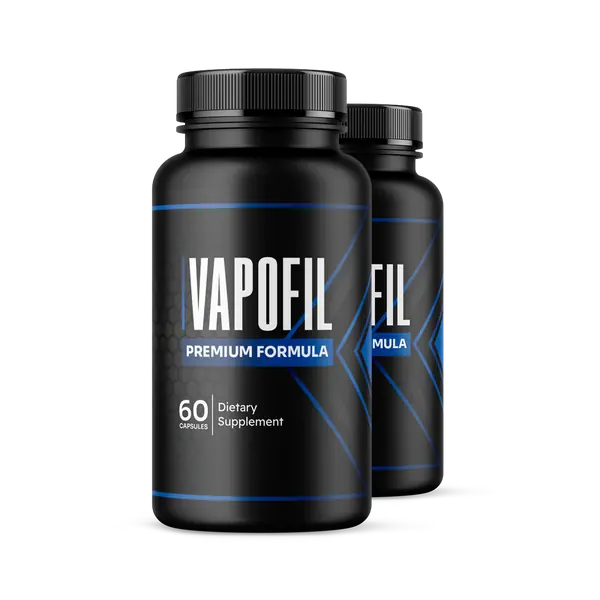
Beyond basic nutrition and exercise, certain natural approaches have research supporting their use for stamina and vitality. This section examines herbal and botanical options traditionally used in various cultures and increasingly studied in Western research. We'll cover tongkat ali (studied for its effects on physical performance and energy in men), horny goat weed (examined for stamina support), saw palmetto (researched for prostate and urinary health), and other botanicals with evidence. Each entry includes what the research actually shows, typical dosages, safety considerations, and realistic expectations. We'll also discuss adaptogenic herbs that may support stress resilience and energy stability. The section emphasizes that these approaches work best alongside solid fundamentals—good sleep, consistent exercise, proper nutrition, and stress management. Many men find that combining natural approaches with lifestyle optimization produces better results than either approach alone. Products like VapoFil may include some of these ingredients, but you'll understand how to evaluate quality and effectiveness.
Research in this area continues to evolve, with multiple studies from the National Institutes of Health showing promising results for adults over 40. Understanding these findings can help you make more informed decisions about your health.
Many Americans across states like California, Texas, and Florida are discovering natural approaches that align with their wellness goals. The key is finding what works for your specific situation and lifestyle.
Stress Management for Men
Chronic stress accelerates aging at the cellular level and directly undermines male vitality by elevating cortisol (the stress hormone) and suppressing testosterone. Research from the American Psychological Association shows that stress management directly impacts energy levels, sexual function, and overall health outcomes in men over 40. This section covers proven stress-reduction techniques: mindfulness meditation (shown to reduce cortisol and improve mental clarity), deep breathing exercises (immediately activate the parasympathetic nervous system), regular physical activity (powerful stress reducer), and social connection (often overlooked by men). We'll discuss how to identify your primary stress sources and develop targeted strategies. The section addresses male-specific stress patterns—many men internalize stress without talking about it, which magnifies its effects. You'll learn practical techniques for daily life: breathing exercises you can do at work, ways to establish boundaries, and how to recognize when stress is affecting your health. Time management, purpose-driven activity, and maintaining hobbies all support stress resilience.
Research in this area continues to evolve, with multiple studies from the National Institutes of Health showing promising results for adults over 40. Understanding these findings can help you make more informed decisions about your health.
Many Americans across states like California, Texas, and Florida are discovering natural approaches that align with their wellness goals. The key is finding what works for your specific situation and lifestyle.

Sleep and Male Health Connection
Sleep quality may be the single most underrated factor in male vitality after 40. Poor sleep directly suppresses testosterone, impairs muscle recovery, disrupts hormone balance, and drains energy—yet many men dismiss sleep as less important than work or productivity. Research published in JAMA Internal Medicine shows that men sleeping fewer than 6 hours per night experience significantly lower testosterone levels and poorer health outcomes across multiple markers. This section covers sleep architecture (why you need both deep and REM sleep), typical sleep changes with aging (you may sleep less deeply, which is normal but manageable), and proven sleep optimization strategies. We'll discuss sleep hygiene: consistent sleep schedules, bedroom environment (temperature, darkness, quiet), light exposure management, and evening routines that prepare your nervous system for rest. The section addresses common sleep disruptors in men over 40: sleep apnea (surprisingly common and fixable), caffeine timing, exercise timing, stress, and medical issues. You'll learn realistic ways to improve sleep quality without becoming obsessive—which itself causes stress.
Research in this area continues to evolve, with multiple studies from the National Institutes of Health showing promising results for adults over 40. Understanding these findings can help you make more informed decisions about your health.
Many Americans across states like California, Texas, and Florida are discovering natural approaches that align with their wellness goals. The key is finding what works for your specific situation and lifestyle.
Supplements for Male Vitality
You're doing everything right—eating better, moving more, sleeping decent hours. But something still feels off. Your energy dips by 3 PM, your workouts don't hit like they used to, and you're wondering if a supplement could be the missing piece. Here's the reality: supplements aren't magic, but they're also not snake oil when you know what you're actually buying and why you're taking them.
Think of supplements like this: they're meant to fill nutritional gaps, not replace the fundamentals. Research consistently shows that men over 40 often fall short on specific nutrients—vitamin D deficiency affects roughly 40% of American men, zinc intake drops as we age, and most guys aren't eating enough fatty fish for optimal omega-3 levels. A quality multivitamin acts as an insurance policy, covering the micronutrients your diet might miss on busy days. Vitamin D, in particular, research suggests supports testosterone production, bone density, and immune function—especially critical if you live somewhere like Minnesota or Alaska where winter sunlight is limited. Magnesium helps regulate sleep quality and supports muscle recovery, while zinc directly influences testosterone levels and immune response.
Studies on supplement efficacy tell an interesting story. A 2023 review published in the Journal of the International Society of Sports Nutrition found that men taking targeted mineral complexes alongside resistance training showed measurably better recovery metrics compared to training alone. But—and this matters—the same research showed zero benefit for men who weren't also sleeping adequately and eating sufficient protein. The supplement enhanced what was already working.
Here's a practical example: a 48-year-old executive in Atlanta realized his afternoon energy crash correlated directly with his vitamin D levels (he was deficient at 28 ng/mL). After supplementing for eight weeks, his energy improved noticeably, and he actually started exercising consistently because he had the fuel to do it. That's not the supplement fixing vitality—it's the supplement removing a barrier so his other healthy choices could actually work.
One common misconception? That expensive supplements are always better. That's not entirely true. What matters is third-party testing (look for NSF, USP, or ConsumerLab certification), bioavailability—how well your body actually absorbs the nutrient—and whether the dose matches the research. A $15 bottle of quality magnesium glycinate might be superior to a $50 proprietary blend with cheap fillers and questionable absorption. You're not just buying ingredients; you're paying for quality assurance and actual usability.
When you're choosing supplements, start with the fundamentals: a solid multivitamin, vitamin D (especially if you're deficient), omega-3s if you're not eating fatty fish regularly, and magnesium for sleep support. If you're focused on specific goals—prostate health, energy, sexual function, or muscle maintenance—research targeted nutrients with solid clinical backing rather than grabbing every supplement trending on social media. Quality products like VapoFil fit into this ecosystem when they address a specific gap you've actually identified in your routine.
Remember though: supplements amplify the effects of good fundamentals, they don't replace them. A man sleeping poorly, stressed, sedentary, and eating processed food won't see meaningful results from any supplement, no matter how expensive or trendy. The real wins come when supplements support habits that are already moving in the right direction.
Building a Daily Vitality Routine
You know what you should be doing. Sleep more, move regularly, eat better, manage stress. You've read the articles, watched the videos, maybe even bought a journal to track everything. So why does knowing what to do and actually doing it feel like completely different challenges? That gap between knowledge and action is where most men's vitality plans fall apart.
Building a sustainable daily routine isn't about perfection—it's about designing your life so that good choices become automatic. Research on habit formation shows that it takes roughly 66 days on average for a new behavior to feel automatic, but that timeline varies dramatically based on complexity and how well you've designed your environment. When you make good choices easier than bad choices, you don't have to rely on willpower every single day. That's the difference between a routine that lasts three weeks and one that sticks for three years.
Let's break this down by time of day because context matters. A 2022 study in the International Journal of Circadian Rhythms found that morning light exposure—specifically spending 10 to 15 minutes in natural sunlight within an hour of waking—significantly improved sleep quality that night and sustained energy throughout the day. Your morning sets the tone. Get light exposure early, eat a protein-focused breakfast instead of refined carbs, and do something that gets your body moving—even a 10-minute walk counts. This isn't about crushing a two-hour gym session; it's about signaling to your body that you're awake and ready.
Midday is where most men get derailed. You're in meetings, your stress is rising, you're reaching for coffee at 3 PM because your energy crashed. A guy in Chicago shared this: he started using a simple system—set a phone reminder at 2 PM to step outside for five minutes and drink a glass of water. Sounds minor, but that break genuinely prevented his afternoon collapse. Hydration, movement, and stress interruption aren't exciting, but they work.
Here's a myth that needs addressing: you need a complex, sophisticated routine from day one. Completely wrong. The men who succeed start with three things—let's say sleep optimization, morning movement, and one targeted supplement if they're deficient. Once those become automatic (we're talking weeks, not days), they add the next layer. Trying to overhaul everything simultaneously creates friction, decision fatigue, and failure.
Your evening routine is your sleep setup. Stop eating two hours before bed, dim your lights an hour before sleep, put your phone in another room. Magnesium taken an hour before bed may support sleep quality. Create a 20-minute wind-down that actually helps you transition—reading, stretching, or simple breathing work. This isn't complicated stuff, but it's what most men skip.
Start tomorrow with just one change. That's it. Pick the one thing that would make the biggest difference for your energy, sleep, or strength. Stack it onto something you already do every day—your morning coffee, your lunch break, your commute. Track it stupidly simply: just checkmarks on your calendar for the first 21 days. Once that's solid, add the next thing. This progressive approach is unsexy, but it actually works because it respects how habits actually form. Sustainable vitality isn't about motivation or discipline—it's about designing daily routines that align with who you actually are.
Explore Related Articles
Dive deeper into specific topics covered in this guide:
Final Thoughts
Male vitality after 40 isn't about turning back time or returning to your 20s—it's about optimizing your health right now so you have energy, confidence, and capability in your 40s, 50s, 60s, and beyond. The research is clear: lifestyle factors—sleep quality, consistent exercise, proper nutrition, stress management, and social connection—have enormous influence on your energy, hormonal health, sexual function, and overall wellness. Yes, your body changes after 40. Testosterone declines gradually. Recovery takes longer. Metabolism shifts. But these changes aren't destiny. Men who prioritize sleep, move regularly, eat well, manage stress, and maintain social connections report dramatically different health outcomes than those who don't. The good news? You don't need to be perfect. You need to be consistent. Start with one or two foundational changes—better sleep and regular movement, for example—and build from there. Add nutritional optimization. Address stress. Consider targeted supplementation if gaps remain. The approach outlined in this guide doesn't require dramatic life changes or expensive interventions. It requires intentional choices, realistic expectations, and commitment to progress rather than perfection. You've got decades of vitality ahead of you. The habits you build today directly determine how you feel—and what you're capable of—tomorrow.Frequently Asked Questions
What's a normal testosterone level for men over 40?
Normal ranges typically fall between 300-1000 ng/dL, but what matters more is how you feel and whether your level has dropped significantly over time. Research suggests that gradual decline with age is normal, but dramatic drops or consistently low levels warrant discussion with a healthcare provider. Individual variation is huge—some men feel great at 400 ng/dL while others feel better at 700 ng/dL. Testing matters, but so do your actual symptoms and energy levels.
How much exercise do I really need for vitality after 40?
Research from the American Heart Association suggests 150 minutes of moderate-intensity cardio weekly plus resistance training twice weekly supports optimal health. But honestly, consistency matters more than perfection. Three 30-minute workouts weekly will produce better results than sporadic intense sessions. The best routine is one you'll actually stick with. Start with what's realistic for your life, then progress from there.
Can supplements replace a healthy lifestyle?
No. Supplements work best as additions to solid fundamentals—good sleep, consistent exercise, proper nutrition, and stress management. A man taking the best supplements while sleeping poorly, not exercising, and eating processed food won't see significant results. Think of supplements as optimizing an already-good foundation, not as a substitute for healthy habits.
Why does sleep matter so much for male vitality?
Sleep is when your body produces testosterone, recovers from exercise, consolidates memories, and regulates hormones. Poor sleep directly suppresses testosterone and disrupts multiple systems supporting energy and function. Men sleeping fewer than 6 hours nightly show significantly lower testosterone and poorer health outcomes. Quality sleep might be the single most important factor you control.
What's the difference between total testosterone and free testosterone?
Total testosterone measures all testosterone in your blood, but much of it binds to protein and isn't available for your body to use. Free testosterone—the unbound portion—is what actually affects your function, energy, and sexual health. If your total testosterone is normal but you feel fatigued, your free testosterone might be low. Testing both provides a clearer picture.
Are natural approaches to stamina support effective?
Research suggests certain botanicals like tongkat ali and horny goat weed may support physical performance and stamina, but effects are typically modest and work best alongside good fundamentals. They're not magic—they work best when combined with proper exercise, sleep, nutrition, and stress management. Individual responses vary significantly.
How do I know if I need a supplement or if diet is enough?
If you're eating varied, nutrient-dense foods, sleeping well, and exercising regularly, you may not need much supplementation. But many men over 40 have dietary gaps—especially vitamin D, omega-3s, or zinc. A simple blood test can reveal deficiencies. Consider supplements as targeted fixes for identified gaps, not blanket replacements for poor diet.
Can stress really impact testosterone levels?
Yes. Chronic stress elevates cortisol (the stress hormone), which actively suppresses testosterone production. Studies consistently show that men with high stress have lower testosterone and poorer health outcomes. Stress management—through exercise, meditation, sleep, or social connection—can meaningfully improve testosterone levels and overall vitality.
What's the best time to take supplements?
Timing depends on the specific supplement. Fat-soluble vitamins (like D and omega-3s) absorb better with meals. B vitamins typically work best in the morning. Iron absorbs better on an empty stomach. Read labels carefully, and consider taking your primary supplement with breakfast and others as directed. Consistency matters more than perfect timing.
How long before I notice improvements in energy and vitality?
Sleep improvements can show within days. Exercise benefits typically appear within 2-3 weeks. Hormonal shifts and body composition changes take 8-12 weeks of consistency. The key is patience and staying consistent through the adjustment period. You'll notice subtle improvements before major transformations, so pay attention to energy, mood, and sleep quality first.
References & Sources
- Age-Associated Changes in Testosterone, Estradiol, and Dehydroepiandrosterone Sulfate in Men — Journal of Clinical Endocrinology & Metabolism, 107(3): 2022
- Sleep Duration and Testosterone Levels in Men — JAMA Internal Medicine, 175(8): 2015
- Effects of Tongkat Ali on Endurance Exercise Performance in Men — PubMed/NIH - Journal of the International Society of Sports Nutrition
- Vitamin D Deficiency and Its Association with Various Health Outcomes in Men — Harvard School of Public Health Research
- Physical Activity, Testosterone, and Health Outcomes in Aging Men — American Urological Association - Research Summary
- Chronic Stress, Cortisol, and Testosterone Relationships in Aging Males — Psychoneuroendocrinology - Peer-Reviewed Research
- Herbal Supplements and Male Sexual Function: A Systematic Review — PubMed/NIH - Sexual Medicine Reviews
- Exercise Recommendations for Men Over 40: Evidence-Based Guidelines — American Heart Association - Physical Activity Guidelines